
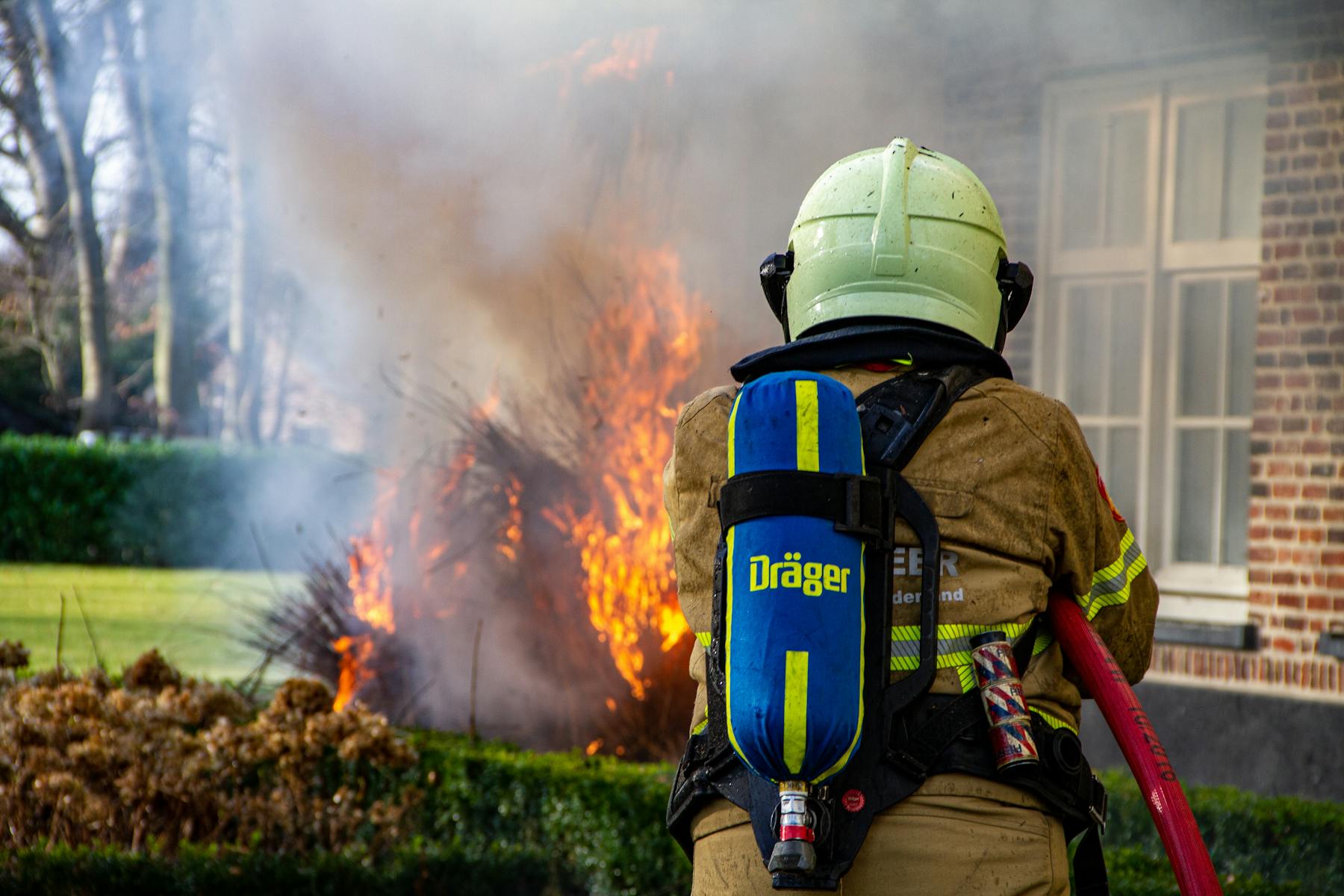
Fire Safety at Home
As a new homeowner, ensuring the safety of your home should be a top priority. One of the most critical aspects of home safety is fire prevention and readiness. A house fire can be devastating, but with proper precautions and preparation, you can minimize the risks and keep your loved ones and property safe. In this comprehensive guide, we’ll cover essential fire safety tips for your home.
Install Smoke Alarms
Smoke alarms are your first line of defense in case of a fire. Make sure to install smoke alarms on every level of your home, including inside each bedroom and outside sleeping areas. Test your smoke alarms monthly and replace the batteries at least once a year, or according to the manufacturer’s instructions. It’s also recommended to replace your smoke alarms every ten years to ensure they are in good working condition.
Create a Fire Escape Plan
Having a well-thought-out fire escape plan can save lives in an emergency. Sit down with your family members and discuss the best escape routes from each room in the house. Designate a meeting point outside the house where everyone can gather after escaping. Practice your fire drill at least twice a year to ensure everyone knows what to do in case of a fire.
Keep Fire Extinguishers Handy
Every home should have at least one fire extinguisher readily available. Place fire extinguishers in key locations such as the kitchen, garage, and near any fire hazards like fireplaces or heaters. Make sure everyone in the household knows how to operate a fire extinguisher correctly. Remember the acronym PASS: Pull the pin, Aim at the base of the fire, Squeeze the handle, and Sweep from side to side.
Kitchen Safety
The kitchen is a common area where fires can start. Never leave cooking food unattended, and keep flammable items such as kitchen towels and curtains away from the stove. In case of a grease fire, never pour water on it – instead, smother the flames by covering the pan with a lid or using a fire extinguisher.
Heating Safety
If you use space heaters or fireplaces to heat your home, ensure they are at least three feet away from anything that can catch fire, such as curtains, furniture, or bedding. Turn off space heaters when leaving the room or going to bed, and have your chimneys cleaned and inspected annually by a professional.
Electrical Safety
Faulty wiring and overloaded circuits can pose a fire hazard in your home. Avoid using extension cords as permanent wiring and never overload outlets. If you notice any signs of electrical problems such as flickering lights, sparks, or charred outlets, contact a licensed electrician to inspect and repair the issues.
Candle Safety
Candles can create a cozy ambiance in your home, but they can also be a fire risk if left unattended. Always blow out candles before leaving a room or going to bed, and place them on stable, heat-resistant surfaces away from flammable materials. Consider using flameless LED candles as a safer alternative.
Maintain Your Appliances
Regular maintenance of household appliances can help prevent fires. Clean the lint trap in your dryer after every use, have your HVAC system inspected annually, and unplug appliances when not in use. Faulty appliances can short circuit and ignite a fire, so it’s essential to address any issues promptly.
Store Flammable Items Safely
Keep flammable items such as cleaning products, paints, and gasoline in a cool, well-ventilated area away from heat sources. Store these items in their original containers with tight-fitting lids to prevent leaks or spills. Never store flammable materials near pilot lights, furnaces, or water heaters.
Stay Informed
Stay informed about fire safety practices and procedures by attending fire safety workshops or classes in your community. Keep emergency contact numbers, including the fire department, in a visible location in your home. Being prepared and knowledgeable can make a significant difference in how you respond to a fire emergency.
In conclusion, fire safety is a crucial aspect of home ownership that should not be overlooked. By following these tips and incorporating fire safety practices into your daily routine, you can create a safer environment for you and your family. Remember, being proactive and prepared can save lives in the event of a fire. Stay safe and secure in your new home!
Photo by Unsplash