Are you a first-time homeowner looking to master the basics of plumbing at home? You’ve come to the right place! Understanding the plumbing system in your home is crucial for maintaining a functional and comfortable living space. In this guide, we’ll cover everything you need to know about at-home plumbing, from common issues to DIY fixes and prevention tips.
**The Basics of Plumbing**
Before we dive into specific plumbing tips, let’s start with the basics. The plumbing system in your home is responsible for supplying clean water for drinking, cooking, bathing, and washing, as well as removing wastewater efficiently. The system consists of a network of pipes, fixtures, and fittings that work together to keep your home running smoothly.
**Common Plumbing Issues**
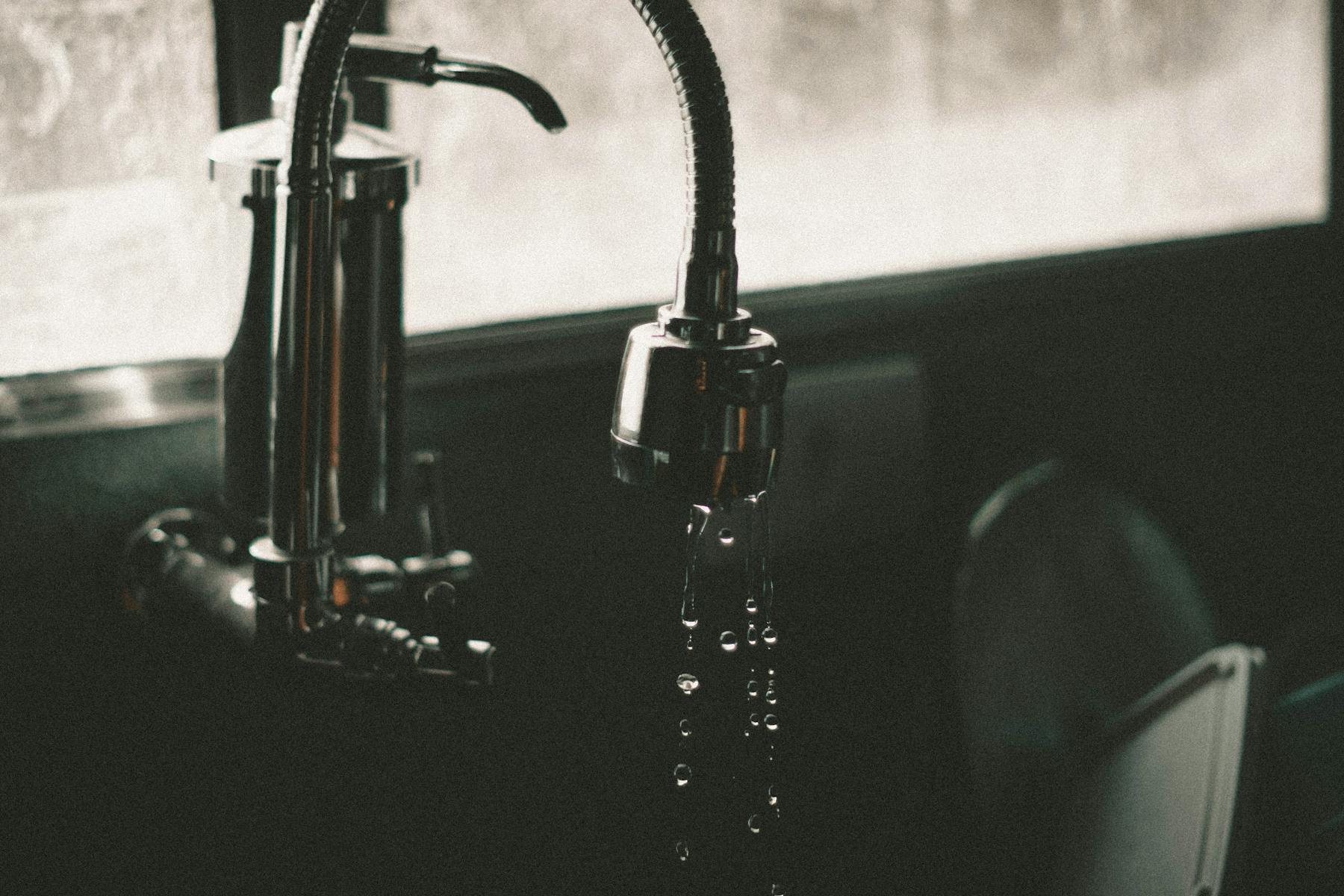
Leaky faucets, clogged drains, running toilets – these are just a few of the common plumbing issues that homeowners face. Identifying the problem early can save you time, money, and potential damage to your home. Some common plumbing problems include:
– Dripping faucets
– Clogged drains
– Running toilets
– Low water pressure
– Leaking pipes
**DIY Plumbing Fixes**
While some plumbing issues may require professional help, there are several fixes you can tackle on your own. Here are a few simple DIY plumbing projects that you can try at home:
– Fixing a leaky faucet
– Unclogging drains using a plunger or plumbing snake
– Repairing a running toilet by replacing the flapper
– Insulating exposed pipes to prevent freezing in winter
Remember to always turn off the water supply before attempting any DIY plumbing repairs and consult online tutorials or guides for step-by-step instructions.
**Prevention Tips**
Prevention is key when it comes to maintaining your home’s plumbing system. By taking a few simple steps, you can avoid costly repairs and ensure that your plumbing works efficiently. Here are some prevention tips to keep in mind:
– Avoid putting grease, oil, or food scraps down the drain
– Use drain strainers to prevent hair, soap scum, and debris from clogging drains
– Insulate pipes in unheated areas to prevent freezing in winter
– Schedule regular maintenance checks with a professional plumber
**When to Call a Professional**
While DIY fixes are great for minor plumbing issues, there are times when you should call in a professional plumber. If you’re dealing with complex problems like burst pipes, sewer line issues, or water heater malfunctions, it’s best to seek expert help. A licensed plumber will have the knowledge and tools to diagnose the problem accurately and provide lasting solutions.
**Conclusion**
Being knowledgeable about at-home plumbing can save you time, money, and stress as a homeowner. By understanding the basics of your plumbing system, addressing common issues promptly, and following prevention tips, you can keep your home’s plumbing in top condition. Remember, when in doubt, don’t hesitate to call a professional plumber to tackle more serious plumbing problems. Stay informed, proactive, and prepared when it comes to at-home plumbing – your home will thank you for it!
Photo by Unsplash