
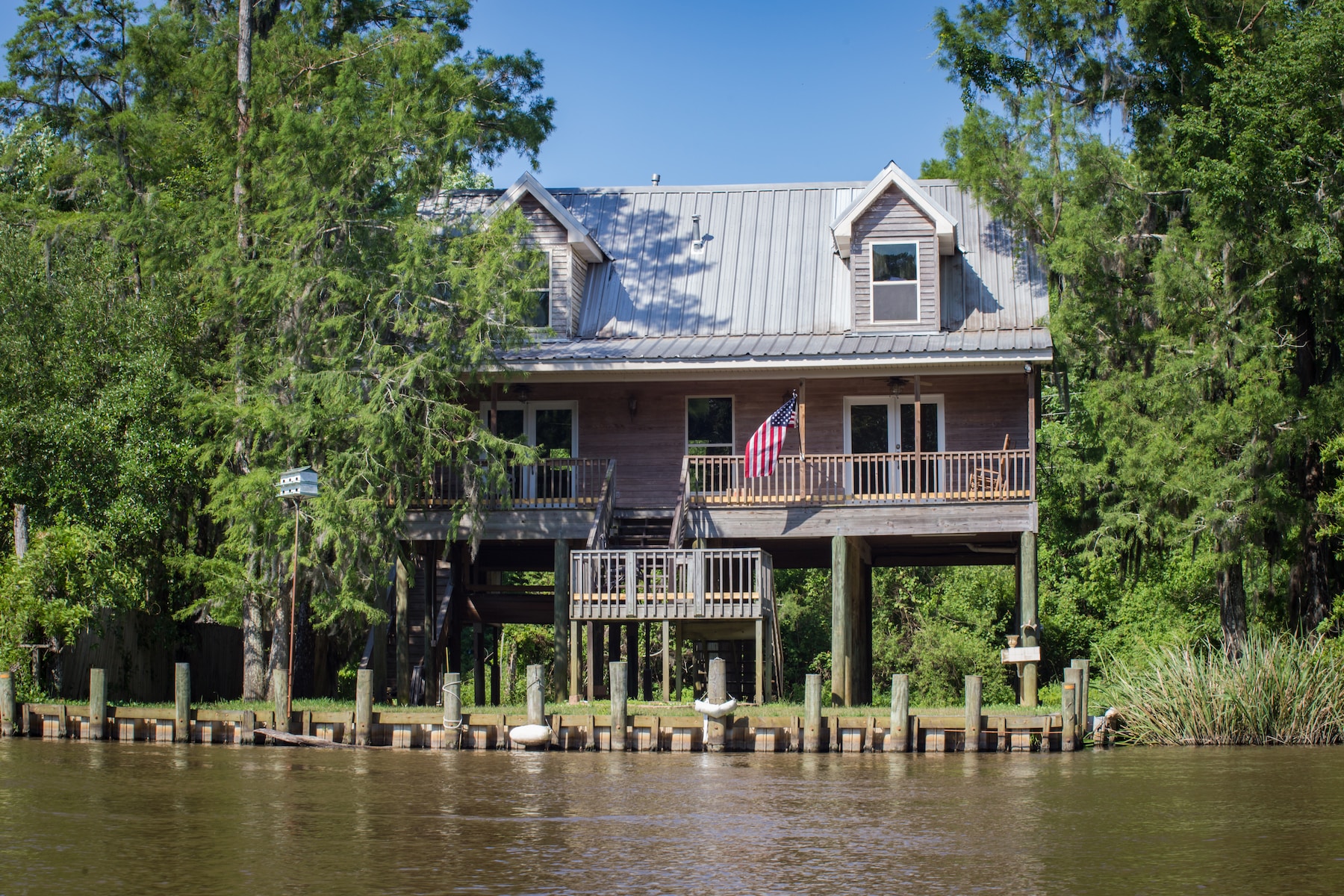
Living in Louisiana, you may be aware that the state is incredibly prone to flooding. With its unique location near the Gulf of Mexico, Louisiana experience seasonal storms, hurricanes, and more, leaving its inhabitants vulnerable to water damage. As a resident of the state you undoubtedly understand the importance of flood insurance. So here’s a short guide to help you navigate Louisiana’s flood insurance system.
Flood insurance is different than most other insurance policies and is not a part of most normal insurance plans. You are required to opt into insurance that is specific to flooding and is provided by an organization known as the National Flood Insurance Program. There are several different policies available, depending on the amount of coverage you are looking for. Your policy should cover the building and the contents inside it, but this is not always a guarantee.
Unfortunately, most homeowners’ insurance companies do not offer flood insurance as part of their plan. It is important to know exactly what is and isn’t covered by your policy, and to also understand the associated terms and conditions. Reading the fine print is always a smart step when investing in any kind of insurance.
What Does Flood Insurance Cover?
The important thing to know about flood insurance is that the coverage is based on the flood zone you live in. This determines the amount and type of coverage you are eligible for. Flood insurance will cover damage to both the building itself and the contents inside, including furniture, appliances, and more.
It’s also important to note that there are different levels of coverage available. You can select a policy that covers just the building and its basics, or a more comprehensive policy that covers additional items such as personal belongings. Different policies also cover alternate sources of flooding, such as overflowing rivers or lakes.
Flood Zone Requirements In Louisiana
In Louisiana, the state government requires that all homeowners in “high-risk” flood zones must purchase flood insurance. This requirement is in place to ensure that families are adequately protected in the event of a flooding disaster. A “high-risk” flood zone is determined by the Federal Emergency Management Agency (FEMA) and is usually located in an area that has a high risk for flooding.
For those living in a low-risk, or “moderate” flood zone, you have the option of purchasing flood insurance and insurance companies must offer it to home owners. It is highly recommended to purchase flood insurance in these areas even if you are not required by law. Although it typically costs more than regular home insurance, it can provide invaluable coverage in the event of a flooding disaster.
Finally, if you live in a “coastal high-hazard” zone, you are required to purchase flood insurance regardless of the cost. Flooding in these areas is especially dangerous and could cause significant damage. Louisiana requires all homes in these areas to be insured in order to protect the homeowners and their property.
Other Important Factors To Consider
- Your insurance company might require an additional survey to be done to assess the risk of flooding.
- Additional coverage like sewer and drain backup is typically available from your insurance company.
- Once you purchase a policy, it can take up to 30 days before it takes effect.
- Higher floods zones equate to higher premiums.
- Flooding is often excluded on standard home insurance policies.
Conclusion
Having a proper flood insurance policy is essential when living in Louisiana. Not only can it provide invaluable coverage in the event of a flooding disaster, but it can also potentially save you thousands of dollars should your home experience significant damage. It’s important to understand the levels of coverage, the associated terms and conditions, and to know what type of policy is right for you.