
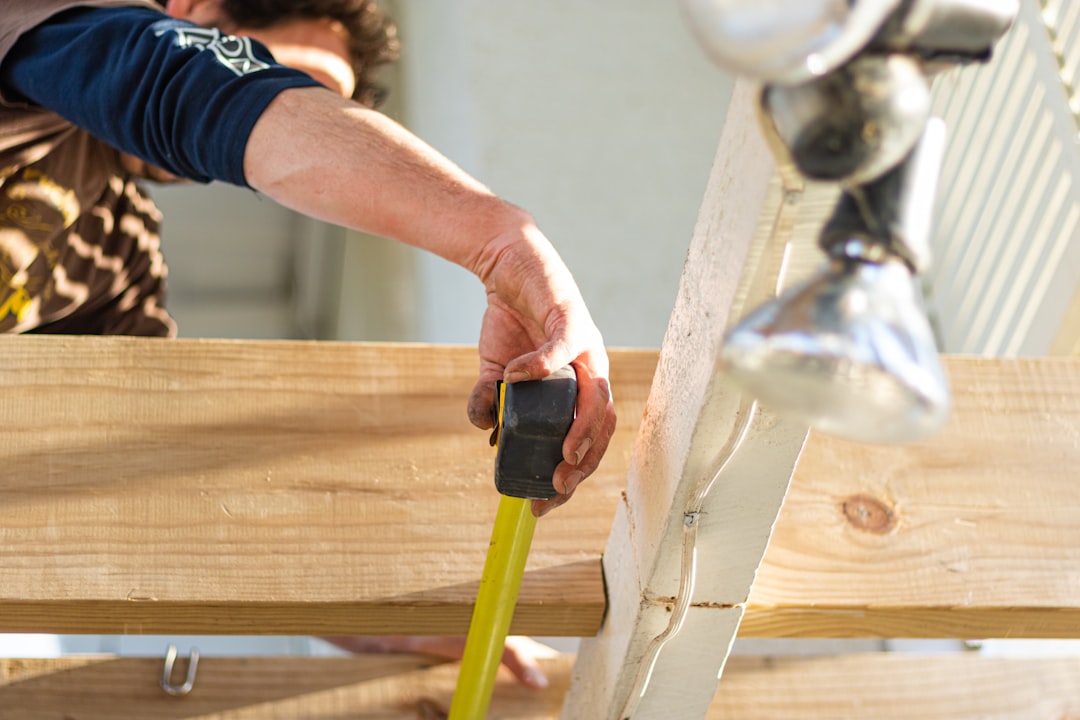
Decks and patios are wonderful additions to any home, offering a perfect spot for relaxation, entertainment, and enjoying the outdoors. Whether you’re planning to build a new deck or patio or revamp your existing outdoor space, there are many factors to consider to ensure you create a functional and aesthetically pleasing extension of your home. In this post, we’ll explore the key aspects of deck and patio construction to help you make informed decisions and create the outdoor oasis of your dreams.
Location, Design, and Materials
Before diving into construction, it’s essential to determine the location and design of your deck or patio. Consider factors such as the orientation of the sun, prevailing winds, privacy from neighbors, and proximity to indoor spaces like the kitchen or living room. Your outdoor space should flow seamlessly from your home and cater to your specific needs, whether you envision a cozy retreat or a space for hosting gatherings.
Once you’ve finalized the design, select the appropriate materials for your deck or patio. Common options include pressure-treated wood, cedar, composite decking, concrete, brick, and stone. Each material has its advantages in terms of durability, maintenance requirements, aesthetics, and cost. Ensure that your choice aligns with your budget, intended use, and overall design scheme.
Permits and Regulations
Before commencing construction, check with your local building department to determine if you need permits for your deck or patio project. Building codes and regulations vary by location and can dictate aspects such as size, height, structural requirements, and setback distances from property lines. Failing to obtain the necessary permits can result in fines, delays, and even the need to dismantle non-compliant structures. It’s crucial to adhere to regulations to ensure the safety and longevity of your outdoor space.
Foundation and Support
The foundation serves as the backbone of your deck or patio, supporting the structure and distributing weight evenly to prevent shifting or sagging. Depending on the design and site conditions, you may opt for different foundation types, including concrete footings, helical piles, or adjustable steel piers. The foundation should be properly sized and installed to withstand the load bearing requirements of your deck or patio.
When it comes to support structures, consider whether you need railings, stairs, or additional features for safety and accessibility. Railings are essential for elevated decks to prevent falls, especially if you have children or pets. Stairs should be well-designed with the correct riser and tread dimensions to ensure ease of use and compliance with building codes.
Finishing Touches and Maintenance
Once the construction phase is complete, it’s time to add the finishing touches that will enhance the functionality and appeal of your deck or patio. Consider elements such as lighting, seating, planters, shade structures, and outdoor accessories to personalize your outdoor space and make it inviting for relaxation or entertainment.
To protect your investment and prolong the lifespan of your deck or patio, regular maintenance is key. Depending on the materials used, maintenance tasks may include cleaning, staining, sealing, sanding rough surfaces, and inspecting for signs of wear or damage. By staying proactive with maintenance, you can enjoy your outdoor space for years to come.
In conclusion, deck and patio construction require careful planning, attention to detail, and compliance with regulations to ensure a successful outcome. By considering factors such as location, design, materials, permits, foundation, support structures, finishing touches, and maintenance, you can create a beautiful and functional outdoor retreat that complements your home and lifestyle. Whether you’re a seasoned DIYer or hiring professionals for the job, investing time and effort in the construction of your deck or patio will result in a rewarding outdoor living space for years to come.
Photo by Unsplash