
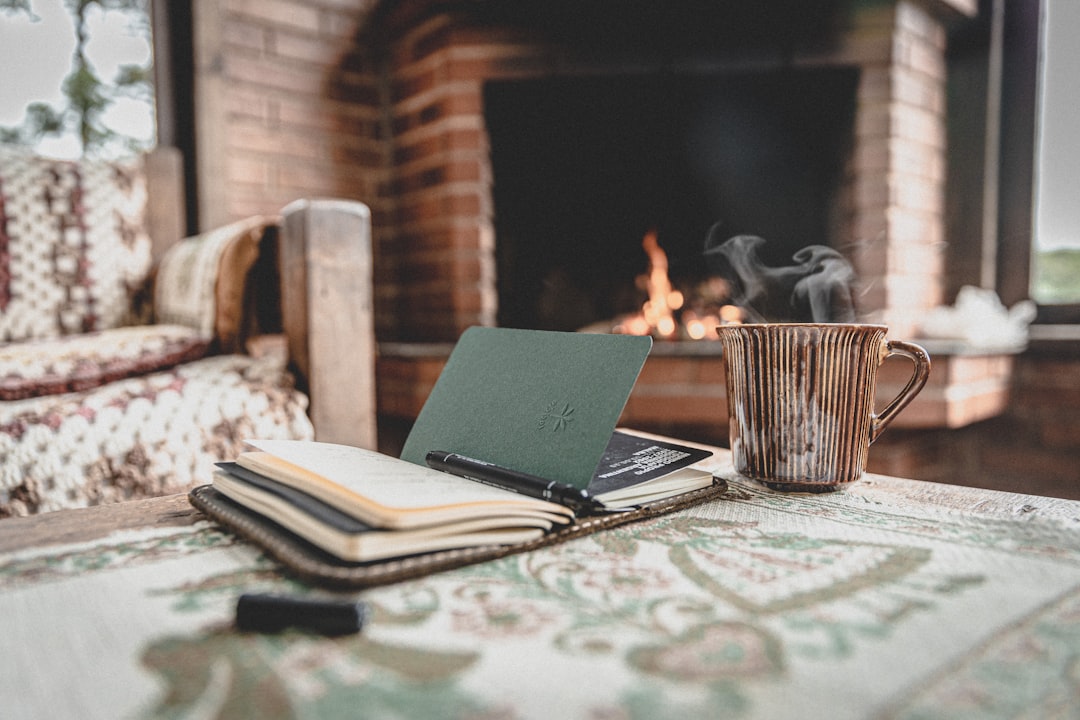
Fireplaces have long been a beloved feature in homes, providing warmth, ambiance, and a focal point for gatherings. But beyond their cozy appeal, fireplaces also come with considerations for safety, maintenance, and energy efficiency. Whether you’re a new homeowner looking to make the most of your fireplace or considering adding one to your home, this guide will cover everything you need to know.
Types of Fireplaces:
There are several types of fireplaces to choose from, each with its own characteristics and requirements:
1. Wood-Burning Fireplaces:
– Traditional and charming, wood-burning fireplaces offer the crackling sounds and aroma of a real wood fire.
– They require maintenance such as cleaning out ash and stocking wood.
– Properly seasoned hardwoods should be used to minimize creosote buildup in the chimney.
2. Gas Fireplaces:
– Gas fireplaces are convenient and easy to use, with the flip of a switch or press of a button.
– They are cleaner burning and more efficient than wood-burning fireplaces.
– Ventless gas fireplaces do not require a chimney but should be installed with proper ventilation.
3. Electric Fireplaces:
– Electric fireplaces provide flames and heat through electricity, making them easy to install and use.
– They are a good option for homes without chimneys or gas lines.
– Electric fireplaces come in various styles, from traditional mantels to modern wall-mounted units.
Fireplace Safety:
Safety should be a top priority when it comes to enjoying your fireplace:
– Have your chimney inspected and cleaned annually to prevent creosote buildup, blockages, and chimney fires.
– Use a fireplace screen to prevent sparks from escaping.
– Keep flammable items such as furniture, curtains, and decorations away from the fireplace.
– Install carbon monoxide detectors and smoke alarms near the fireplace and throughout your home.
Maintaining Your Fireplace:
To keep your fireplace in good working condition, regular maintenance is key:
– Clean out ash and debris regularly to prevent buildup that can restrict airflow.
– Check the chimney for cracks, blockages, or bird nests.
– Replace any worn gaskets or seals to ensure proper ventilation.
– Have a professional inspect the fireplace and chimney for any issues.
Energy Efficiency:
Fireplaces can be a significant source of heat loss in a home, but there are ways to improve their efficiency:
– Install a fireplace insert to increase heat output and reduce heat loss.
– Close the damper when the fireplace is not in use to prevent warm air from escaping.
– Consider using a fireplace blower to circulate heat more effectively.
– Use seasoned hardwoods that burn hotter and produce less smoke.
Decorating Your Fireplace:
Beyond functionality, fireplaces also offer opportunities for decor and style:
– Arrange decorative logs, candles, or potted plants in the fireplace when not in use.
– Display artwork or mirrors above the mantel for a focal point.
– Hang stockings or seasonal decor during holidays.
– Consider updating the mantel with a fresh coat of paint or new trim for a fresh look.
In conclusion, fireplaces are not only a source of warmth but also a focal point in many homes. By understanding the different types of fireplaces, prioritizing safety, maintaining your fireplace, improving energy efficiency, and adding decor touches, you can make the most of this beloved feature in your home.
Photo by Unsplash