
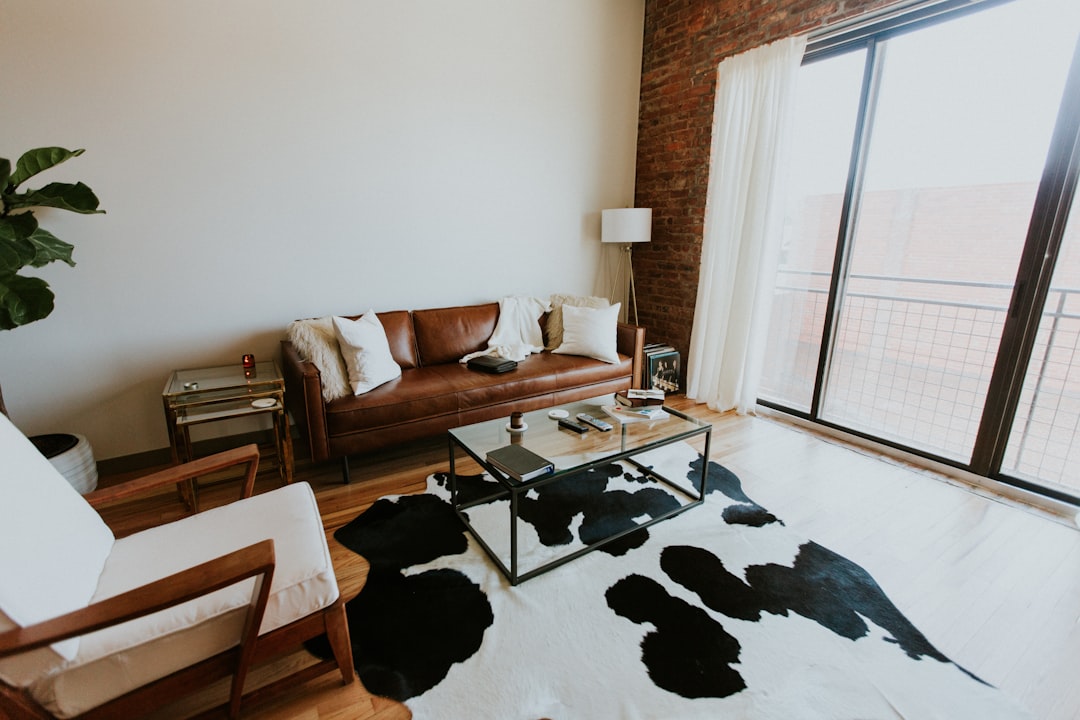
Are you considering purchasing a century home with all its historic charm and unique character? Century homes, typically built between the early 1900s and the late 1920s, are a popular choice for many homeowners who appreciate the vintage appeal and craftsmanship that these houses offer. In this post, we’ll delve into what makes century homes so special, the challenges that come with owning one, and valuable tips for maintaining and renovating these historic treasures.
**Understanding Century Homes**
Century homes are architectural gems that represent a bygone era. These houses often boast intricate detailing, high ceilings, large windows, and solid construction that have stood the test of time. Many century homes feature hardwood floors, grand staircases, and charming built-ins that add to their character and appeal.
One of the most significant draws of century homes is their unique design elements that reflect the architectural trends of the time period in which they were built. From Victorian and Edwardian styles to Arts and Crafts and Colonial Revival influences, century homes showcase a diverse range of architectural designs that appeal to homeowners seeking a distinctive living space.
**Challenges of Owning a Century Home**
While owning a century home can be a rewarding experience, it also comes with its own set of challenges. One common issue that century homeowners face is the need for ongoing maintenance and repair due to the age of the house. From outdated electrical wiring and plumbing systems to foundation issues and structural concerns, century homes require regular upkeep to ensure they remain in good condition.
Another challenge of owning a century home is the potential for hidden problems lurking beneath the surface. As with any older house, century homes may have hidden issues such as lead paint, asbestos, or mold that need to be addressed to ensure the health and safety of the occupants.
**Tips for Maintaining and Renovating Century Homes**
If you’re the proud owner of a century home or considering purchasing one, here are some valuable tips for maintaining and renovating these historic properties:
1. **Conduct a thorough inspection:** Before purchasing a century home, have a professional home inspector assess the property to identify any potential issues that may need to be addressed.
2. **Update electrical and plumbing systems:** Consider updating the electrical wiring and plumbing systems to meet modern safety standards and improve efficiency.
3. **Preserve original features:** Whenever possible, try to preserve the original features and architectural elements of the century home to maintain its historic charm.
4. **Invest in energy-efficient upgrades:** Improve the energy efficiency of your century home by adding insulation, upgrading windows, and installing energy-efficient appliances to reduce utility costs.
5. **Work with professionals:** When undertaking renovations or repairs in a century home, it’s essential to work with experienced professionals who have expertise in dealing with historic properties.
6. **Stay true to the home’s architectural style:** When renovating or updating your century home, try to stay true to the original architectural style to ensure a cohesive look that complements the house’s historic character.
7. **Regular maintenance is key:** Keep up with regular maintenance tasks such as painting, roofing repairs, and gutter cleaning to prevent minor issues from turning into major problems.
**Conclusion**
Century homes offer a unique blend of history, charm, and architectural beauty that continues to attract homeowners looking for a distinctive living experience. While owning a century home comes with its own set of challenges, with proper maintenance and care, these historic properties can provide years of enjoyment and a sense of pride in preserving a piece of the past. By following the tips outlined in this post, you can ensure that your century home remains a cherished gem for generations to come.
Photo by Unsplash